
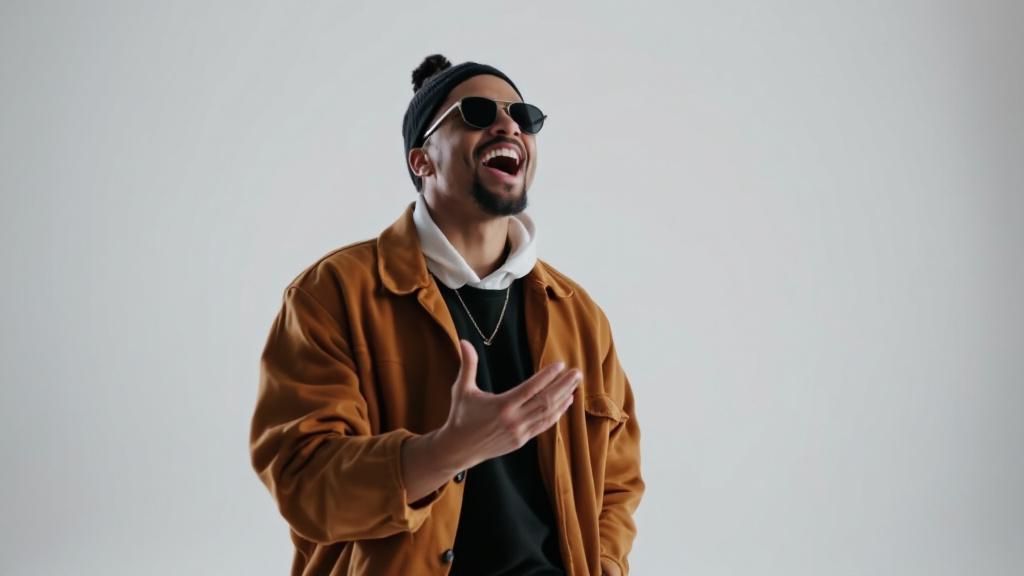
In an growing digital space, social media has fundamentally transformed how audiences find, access, and interact with music. A celebrated musician recently shared honest perspectives into this seismic shift, examining how platforms like TikTok, Instagram, and YouTube have reshaped the entertainment industry. From opening doors for new talent to challenging traditional record label models, social media’s influence is beyond question. This article explores the possibilities and difficulties facing modern musicians, probing how they’re adjusting their methods to flourish in an era where viral moments can propel artists to fame overnight.
The Rise of Direct Fan Engagement
Social media has dramatically altered the relationship between musicians and their audiences, displacing conventional gatekeepers that once managed artist-fan communication. Platforms such as Instagram, TikTok, and Twitter now permit creators to distribute their creative process, individual perspectives, and unreleased material directly to millions of followers instantaneously. This extraordinary transparency has cultivated deeper, more authentic connections between creators and devoted followers, turning inactive consumers into involved advocates who feel genuinely invested in an creator’s artistic evolution and career progression.
The implications of this hands-on connection are deep and complex. Artists can now collect instant responses on original content, explore ideas with their audience before public launches, and foster engaged audiences that provide invaluable support throughout their careers. Furthermore, this democratisation of communication has enabled new artists to build substantial fanbases on their own, avoiding industry gatekeepers that conventionally shaped the music business. Consequently, the conventional balance of power between record labels, promoters, and artists have changed substantially, opening fresh avenues for artistic independence and monetary freedom.
Drawbacks of Perpetual Connection
Whilst social media has certainly opened doors for emerging artists, the unending requirement for perpetual content output presents substantial difficulties. Artists now find themselves required to sustain an virtually uninterrupted online presence, producing compelling posts, stories, and videos to maintain audience engagement and platform algorithms. This pressure redirects essential effort and attention from the creative process itself, risking damage to the quality of musical output. Furthermore, the demand for constant accessibility can impose a substantial burden on emotional resilience, as musicians contend with public scrutiny, negative comments, and the stress of preserving relevance in an progressively congested digital marketplace.
The algorithmic nature of digital social networks creates further challenges for artists pursuing long-term career viability. Achievement is not based exclusively on talent or artistic merit; instead, it depends heavily upon grasping platform mechanics, posting schedules, and content trends. This lack of predictability means that even highly skilled artists may struggle to gain traction, whilst others achieve viral success by being novel rather than authentic creative work. Moreover, the fleeting character of online engagement means that maintaining momentum demands ongoing transformation, leaving musicians caught in an relentless pattern of adaptation and performance that frequently seems removed from authentic creative expression.
The Prospects of Musical Content and Digital Platforms
The evolution of the music industry appears inextricably linked to the evolution of digital platforms. As AI and machine learning keep advancing, tailored music curation will become progressively more refined, fundamentally altering how audiences find new artists. Streaming services are investing heavily in algorithmic playlist creation, which promises to democratise exposure further whilst also prompting questions about creative quality and commercial viability. The musician stressed that adaptability will be paramount for those aiming for lasting success in this swiftly evolving landscape.
Rising technologies introduce both novel prospects and formidable challenges for contemporary musicians. Virtual reality concerts, distributed ledger payment models, and digital collectibles embody uncharted domains that artists are beginning to explore in exploratory fashion. However, the enduring feasibility of these innovations is unclear, and many musicians express scepticism about their long-term viability. The general agreement indicates that whilst exploration remains vital, preserving genuine engagement with listeners through conventional methods stays equally vital for establishing enduring professional trajectories and developing true listener devotion.
Looking ahead, thriving musicians will likely adopt combined approaches that harness social media’s reach whilst maintaining creative authenticity and creative control. The democratization of music production technology means that bedroom producers now rival major studios, fundamentally reshaping industry structures. Nevertheless, the human touch—the art of storytelling, emotional impact, and authentic connection—cannot be reproduced by artificial systems. The musician noted that this equilibrium of authenticity and innovation will ultimately define the future generation of entertainment industry success.
